After a storm, a useful claim file connects each photograph or observation to a location, a date and a clear description. For homeowners and commercial property owners in the Rio Grande Valley, that means looking beyond a single close-up of the roof.
Under Paid Claim LLC’s field photographs include tile roofs, metal roofs, exterior equipment and commercial HVAC units. They illustrate the kinds of conditions an inspection can document. A photograph alone does not establish when a condition occurred, what caused it or whether an insurance policy covers it.
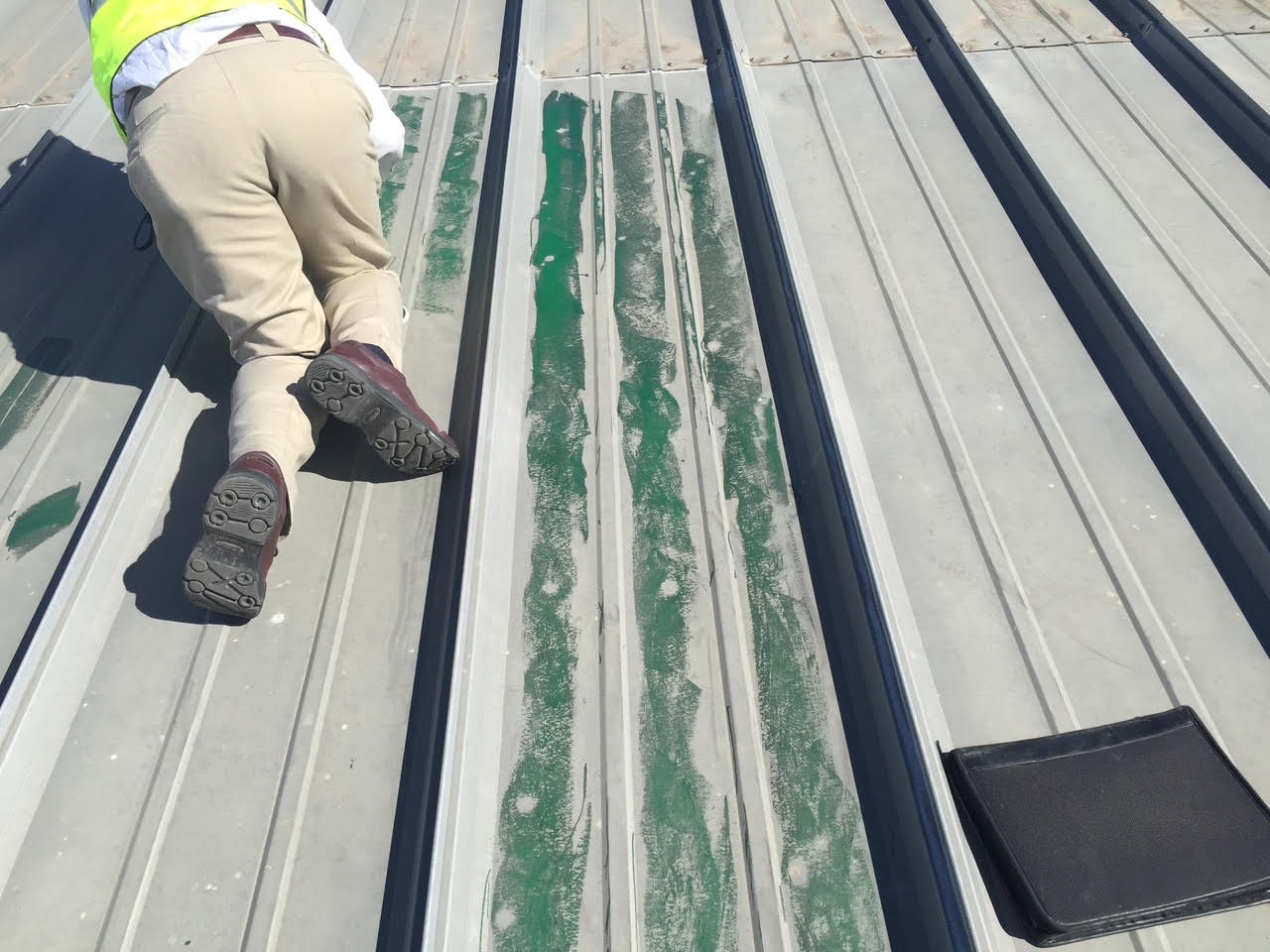
A commercial roof inspection from the firm’s field photographs.
Begin with what you can document safely
Take photographs from accessible areas. Do not climb onto a roof or enter an unstable structure to obtain claim photographs. Arrange appropriate professional access for areas you cannot inspect safely.
Record when you first noticed the condition and which part of the property is affected. Describe what you see—for example, a displaced piece, a dented surface or an interior stain—without treating an unconfirmed cause as a fact.
Give close-ups some context
For each area, a useful photo sequence includes:
- An overview showing the building or room.
- A middle-distance view identifying the roof section, wall or equipment.
- A close-up of the condition being documented.
Keep original files and use consistent names or folders. If a measurement is included, record what was measured. A measurement adds context; it does not establish the cause or extent of a loss by itself.
Include equipment and interior observations
Keep notes about exterior equipment, roof accessories and interior conditions as well as the main roof surface. Record locations separately so observations can be matched to photographs and any inspection report.
For a commercial property, identify the building section, unit or equipment involved. Keep relevant maintenance and prior inspection records when available so the present condition can be considered alongside the property’s history.
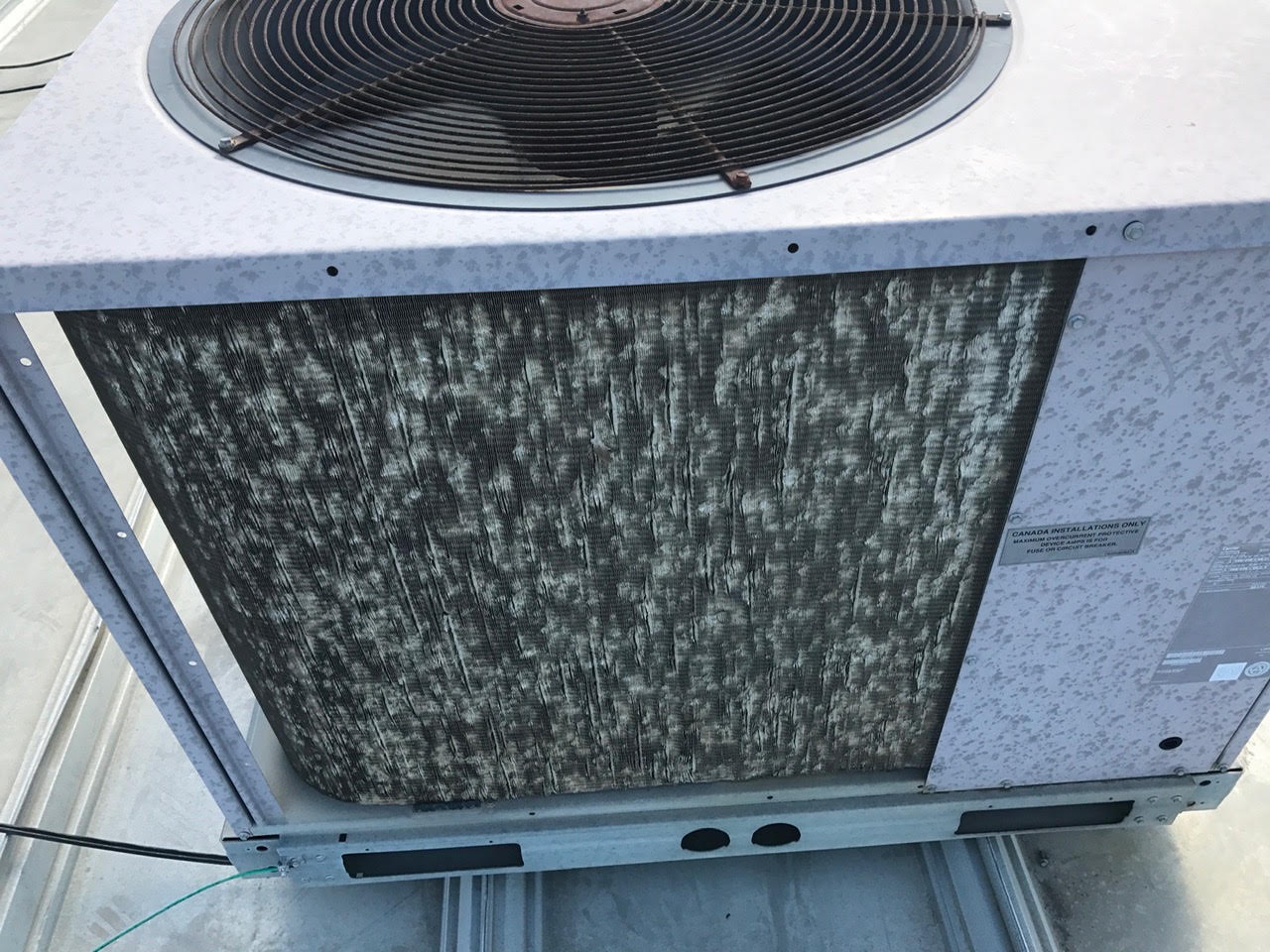
Commercial equipment documented during field inspection.
Examples of our field documentation appear on the residential claims and commercial claims pages.
Keep records of temporary work
The Texas Department of Insurance advises documenting damage and taking reasonable steps to keep it from getting worse. Keep photographs and receipts for temporary work, and discuss the claim process with your insurer. Its storm-claim guidance explains temporary repairs and related questions. Reimbursement depends on the policy and circumstances.
Record who performed the work, when it happened and which area it addressed. These records help distinguish the conditions first observed from later work.
Compare the documentation with the estimate
Keep the insurer’s estimate and any contractor estimates with your photographs. Identify the area and item that concern you rather than comparing only the final totals. A public adjuster can review whether the claim records and proposed work align, while also considering the policy and the insurer’s explanation.
Repair work, engineering services and legal representation are performed by separately qualified providers. Our firm provides public adjusting and coordinates appropriate experts.
Start with a free review
Tell us the property city or ZIP code, the claim’s current status and your main concern. You do not need to upload your policy or photographs to begin. We visit customer properties in McAllen, Edinburg, Mission and the Rio Grande Valley, with service available in English and Spanish.
Request a free inspection and claim review or call 956-772-4404. See our process and fee terms before deciding on representation.
Coverage, payment and timing depend on the policy and claim circumstances. An inquiry or inspection does not guarantee payment or change applicable deadlines.